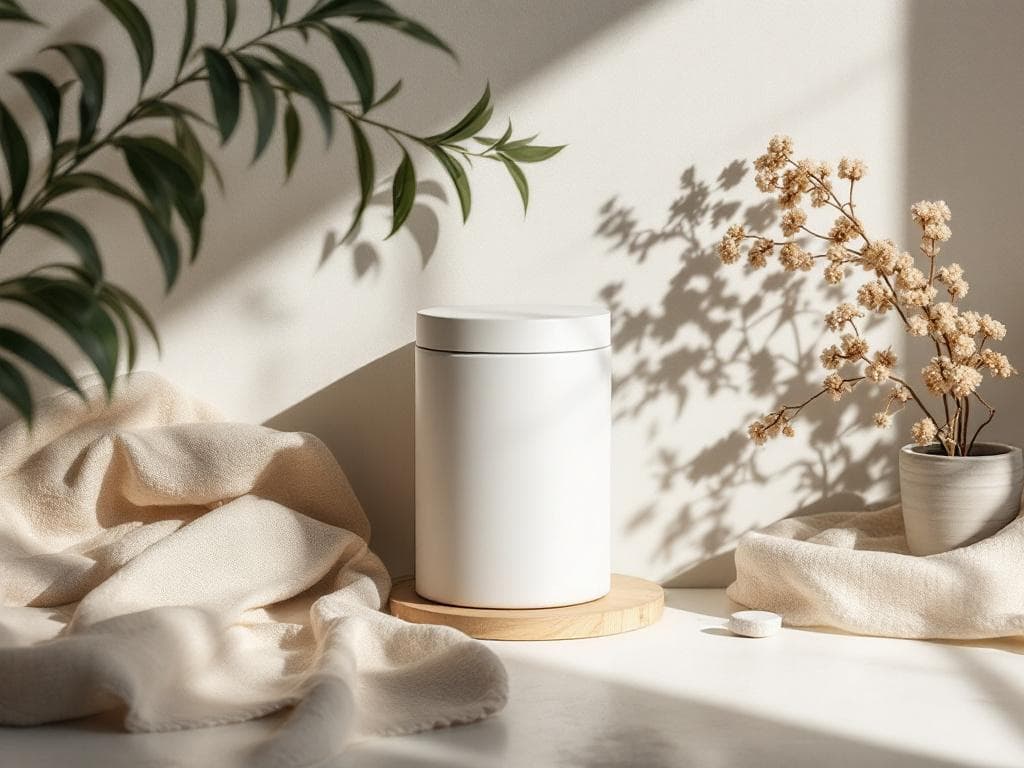
Minimalist Packaging: Balancing Aesthetics and Functionality
In the world of packaging, a noticeable shift towards minimalist packaging is taking the market by storm. This trend, characterized by simplicity, clean lines, limited color palettes, and essential design elements, is capturing the attention of modern consumers and businesses alike. As we move forward into 2026, minimalist packaging is not just a design choice but also a strategic move that aligns with the increasing demands for sustainability, Eco-Packaging Innovations: Transforming Waste into Resources, and the necessity of regulatory compliance.
Minimalist packaging is recognized for its ability to enhance brand trust while simultaneously offering consumers the clarity and environmental consciousness they crave. Brands benefit from cost savings due to reduced materials and manufacturing processes, while consumers enjoy reduced packaging waste. In essence, minimalist packaging is about doing more with less, creating a functional and appealing design that resonates with a wide audience.
1. Understanding Minimalist Packaging
To grasp the concept of minimalist packaging, it's essential to understand its core principles. Minimalist packaging focuses on using one main color, clear and straightforward messaging, uncluttered layouts, and intentional spacing. Every design element must serve a distinct purpose, eliminating unnecessary clutter. This approach not only creates an aesthetic appeal but also significantly contributes to sustainability by reducing the amount of material used, thus making recycling easier and lowering shipping weights.
The popularity of minimalist packaging has grown significantly as more brands recognize these sustainability benefits. Online brands, in particular, have adopted minimalist packaging because of its strong visual appeal and efficiency in unboxing experiences. The Role of AI in Packaging Design: Enhancing Creativity and Efficiency has also played a part in advancing the deployment of such streamlined designs. This type of packaging is ideal for the digital age, where product photography and unboxing videos play a crucial role in consumer decision-making.
The success of minimalist packaging lies in its ability to strike a balance between aesthetic appeal and functionality. Smooth textures, precise folds, ergonomic structures, and compliance with strict labeling laws are the hallmarks of a well-designed minimalist package. By focusing on these elements, brands can maintain a high level of functionality while delivering a visually appealing experience that meets the needs of modern consumers.
2. The Aesthetic Appeal of Minimalist Packaging Design
Minimalist packaging design is renowned for its aesthetic appeal, which is deeply rooted in the principles of simplicity and clarity. By employing clean lines, simple colors—such as muted greys and beiges—and uncluttered layouts, minimalist packaging communicates a sense of premium quality. This design philosophy draws inspiration from Dieter Rams' famous mantra, "less but better," which encourages restraint and intentionality in design.
The trend of Ultra-Clean Industrial packaging epitomizes this approach. This style employs blocky geometric forms, sans-serif fonts, and ergonomic rounded corners that give packaging a tool-like precision. Such designs are particularly popular in tech, beauty, and health industries, where a neutral palette and minimalistic approach enhance the brand's perceived value and attractiveness.
Successful brands leverage these design elements to establish a strong presence on social media platforms. Neutral colors and simple designs photograph well, making them ideal for Instagram-ready visual storytelling. By embracing minimalist packaging, brands can effectively communicate their values and products while appealing to consumers' desire for clean and straightforward designs.
3. The Functionality of Minimalist Packaging
Minimalist packaging is not only visually appealing but also enhances functionality in various ways. The structural efficiency of minimalist packaging is one of its most significant advantages. By using minimal materials, brands can simplify the manufacturing, disposal, and recycling processes. This approach not only reduces costs but also contributes to environmental sustainability.
A hallmark of functional minimalist packaging is its ability to eliminate waste by minimizing excess layers and reducing the size of packages. This meets the growing consumer demand for lightweight, recyclable options that do not compromise on design quality. The use of bold geometric forms, precise fits, and tactile experiences, such as thick paper and subtle contrasts, further enhances the unboxing experience.
Functional packaging is also about making the practical aspects of packaging feel intentional and integrated into the design. By focusing on structural efficiency and minimizing waste, brands can create a packaging experience that is as delightful as it is practical.
4. Benefits of Minimalist Packaging for Businesses
For businesses, minimalist packaging offers numerous benefits that go beyond aesthetics. One of the primary advantages is cost-effectiveness. By using fewer materials and streamlining production processes, businesses can reduce overhead costs. Scalable systems, like uniform box sizes for new stock-keeping units (SKUs), simplify logistics and decrease the likelihood of errors.
Minimalist packaging also plays a crucial role in enhancing brand identity. The clarity and quality of materials used in minimalist designs help differentiate brands through premium unboxing experiences that stand out in a crowded market. Instagram-ready visuals provide brands with a powerful tool for boosting online visibility and consumer engagement.
Furthermore, the environmental benefits of minimalist packaging cannot be overstated. By using fewer materials, brands can reduce their carbon footprint, comply with new regulations, and align with consumer expectations for sustainable practices. As the market evolves, embracing minimalist packaging can position a brand as a leader in environmental responsibility and innovation.
5. Designing Minimalist Packaging: Key Considerations
Designing effective minimalist packaging requires careful consideration of several key factors. Material efficiency is paramount, with options such as bio-based or upcycled materials offering sustainability while maintaining functionality. Designers must also ensure there is adequate space for regulatory labeling without compromising the clean aesthetic.
Maintaining brand messaging within a minimalist framework involves using focal typography or color signals strategically. For instance, a deep red color can convey confidence and draw attention to the brand. Consistency is key, with neutral palettes, geometric shapes, and minimal ink use being common strategies for achieving a cohesive look.
Testing the unboxing experience is crucial in ensuring the packaging delivers on its promise of a premium experience. Smooth textures, precise folds, and a thoughtful design contribute to a compelling unboxing that resonates emotionally with consumers. By focusing on these considerations, brands can create minimalist packaging that is both visually stunning and practical.
6. Case Studies of Effective Minimalist Packaging
To understand the impact of minimalist packaging, consider several successful case studies from various industries. The Ultra-Clean Industrial approach, used effectively in tech and health sectors, features blocky forms and essential labels. This design is praised for its clean and precise presentation, as seen in products influenced by designs from platforms like 99designs.
The collaboration between Zenpack and Domenico Winery serves as another excellent example. Their lightweight packaging merges luxury tactility with efficiency, resulting in a product that appeals to consumers seeking both elegance and circularity. This approach places emphasis on both appearance and sustainability, earning accolades in the premium wine market.
Digital brands, particularly in direct-to-consumer (DTC) sectors, also excel with minimalist packaging. Simple boxes with neutral palettes are ideal for unboxing photos, reducing waste while offering scalability across SKUs. Data from 2026 reflects heightened consumer trust and increased repeat purchases, underscoring the commercial viability of minimalist packaging. Notably, The Impact of Augmented Reality on Packaging Design also highlights the integration of modern technology in enhancing the consumer experience with minimalist designs.
These case studies highlight how minimalist packaging can drive both aesthetic appeal and sustainable function, ultimately delivering strong market performance and consumer satisfaction.
Conclusion
In conclusion, embracing minimalist packaging offers myriad benefits for both businesses and consumers. From cost savings and enhanced brand identity to increased sustainability and consumer appeal, minimalist packaging presents an opportunity for brands to align with modern expectations and challenges. As we've seen, adopting minimalist design principles can significantly impact a brand's success and perception, making it a viable strategy for future-proofing businesses.
Additional Considerations
When designing minimalist packaging, businesses should consider incorporating potential visual aids, such as geometric trend renders and design galleries, to inspire creativity and innovation. By leveraging expert insights and actionable tips, brands can successfully transition to minimalist packaging, achieving a balance between design elegance and functionality.
FAQ
1. What sets minimalist packaging apart from other packaging styles?
Minimalist packaging is defined by its focus on simplicity and functionality. Unlike other styles that may be visually busy or complex, minimalist packaging uses clean lines, limited colors, and essential elements. This creates a design that is both visually appealing and environmentally friendly, reducing material waste and contributing to sustainability efforts.
2. How can businesses ensure that their minimalist packaging is eco-friendly?
To make minimalist packaging eco-friendly, businesses can use sustainable materials, such as bio-based or upcycled options. Additionally, reducing packaging size and using single-material constructions enhance recyclability. Ensuring production processes maintain low energy use and emissions also contributes to an eco-friendly approach.
3. What role does consumer behavior play in the popularity of minimalist packaging?
Consumer behavior significantly influences the popularity of minimalist packaging. As consumers become more environmentally conscious, they favor products that offer reduced waste and clarity in design. Minimalist packaging appeals to these sensibilities by providing a straightforward, eco-friendly approach that aligns with consumer values.
4. Is minimalist packaging applicable to all types of products?
While minimalist packaging is versatile, its applicability depends on the product type and industry. It is most effective for products where clarity, premium feel, and sustainability are priorities, such as beauty, tech, health, and eco-conscious goods. However, it may not suit products requiring elaborate instructions or protective structures.
5. Can minimalist packaging improve customer loyalty?
Yes, minimalist packaging can enhance customer loyalty. By offering a visually appealing and sustainable packaging solution, brands can build trust and emotional connections with consumers. Positive unboxing experiences and alignment with consumer values encourage repeat purchases and strengthen brand loyalty over time.