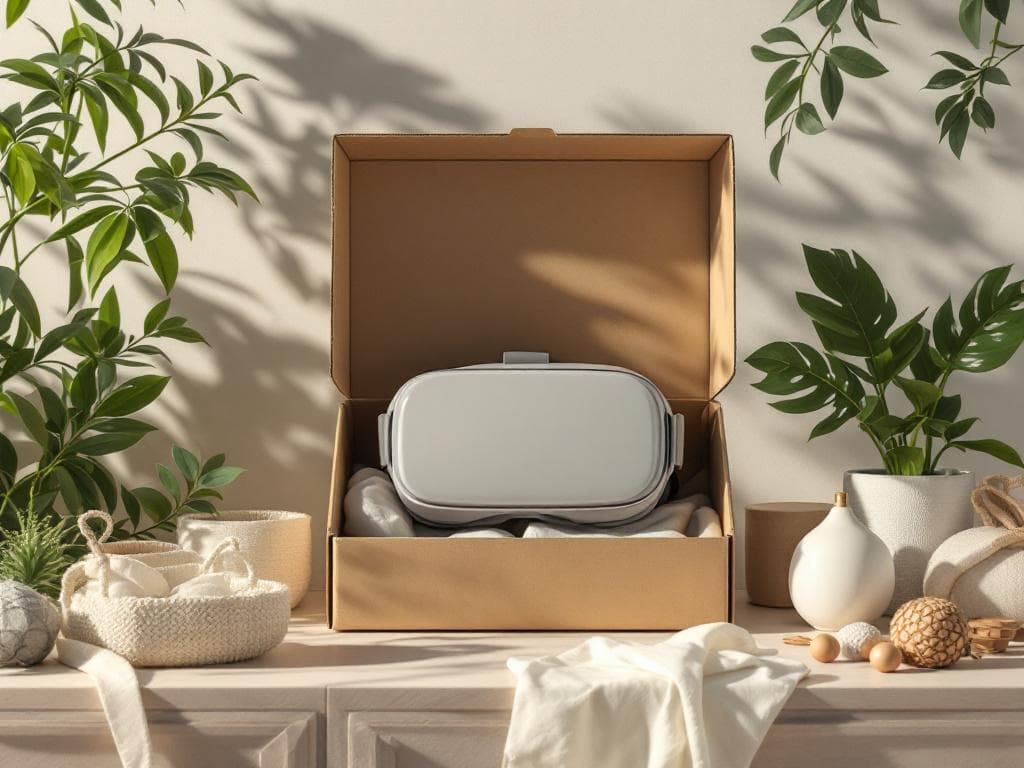
The Intersection of Virtual Reality and Packaging Design
In the rapidly evolving world of technology, virtual reality packaging is emerging as a transformative force. This innovative approach redefines how we perceive and interact with product packaging, making it an integral part of the consumer experience. With technology advancing at an unprecedented pace, packaging is no longer a mere protective shell for products but a gateway to immersive digital experiences.
Virtual reality (VR) technology is becoming increasingly integrated into various aspects of our lives, from gaming to education, and now, to packaging. By blending physical products with digital elements, VR packaging offers consumers a unique opportunity to engage with products before purchasing. Imagine being able to take a virtual tour of a product's manufacturing process or seeing it in action through augmented simulations. These are just a few examples of how VR is reshaping the packaging landscape.
In this blog post, we will delve into the world of virtual reality packaging, exploring its definition, applications, benefits, and challenges. We will also discuss the current trends and future prospects, illustrating how this technology is set to revolutionize the packaging industry. Join us on this journey as we uncover the potential of VR to create immersive packaging experiences that captivate and inform consumers.
Understanding Virtual Reality Packaging
Virtual reality packaging is a cutting-edge concept that transforms traditional packaging into a dynamic digital interface. By leveraging VR technology, brands can offer immersive experiences that engage and educate consumers in unprecedented ways. But what exactly is virtual reality packaging, and how does it work?
At its core, virtual reality packaging involves integrating digital content with physical packaging materials. This is typically achieved through the use of QR codes or mobile applications, which allow consumers to access interactive experiences via their smartphones or VR headsets. For example, upon scanning a QR code on a product's packaging, consumers might be transported to a 360-degree virtual environment where they can explore the product's features, watch instructional videos, or learn about its production process.
One of the key aspects of virtual reality packaging is its ability to foster transparency and trust. By providing detailed information about a product's origins, ingredients, and sustainability practices, VR packaging enables consumers to make informed purchasing decisions. This level of transparency is particularly appealing to environmentally conscious consumers who prioritize ethical and sustainable products.
Moreover, virtual reality packaging can enhance consumer engagement by delivering personalized experiences. Brands can tailor digital content to appeal to specific customer segments, creating memorable interactions that resonate long after the purchase. Whether it's offering virtual try-ons for cosmetics or 3D previews of furniture in a customer's home, VR adds a new dimension to the shopping experience.
The integration of VR into packaging design is a seamless process that utilizes advanced technologies like augmented reality (AR) and 3D visualization tools. Companies such as Esko have developed software that allows designers to export packaging models into VR applications, enabling real-time testing and iteration. This eliminates the need for physical prototypes, reducing costs and accelerating the design process.
Through virtual reality packaging, brands can not only enhance consumer experiences but also gain valuable insights into customer preferences and behaviors. By analyzing how consumers interact with digital content, companies can refine their marketing strategies and deliver products that better meet customer needs.
In conclusion, virtual reality packaging is a powerful tool that bridges the gap between the physical and digital worlds. It elevates packaging from a static element to a dynamic medium of storytelling and engagement, offering consumers immersive experiences that are both informative and entertaining. As more companies embrace this technology, we can expect to see a shift towards more interactive and personalized packaging solutions that ultimately enhance brand loyalty and consumer satisfaction.
The Role of VR in Packaging Design
Virtual reality (VR) is playing an instrumental role in transforming the landscape of packaging design. By offering innovative tools and functionalities, VR enables designers to push the boundaries of creativity and efficiency, ultimately leading to more engaging and effective packaging solutions.
One of the most significant benefits VR brings to packaging design is the ability to create and test concepts in a virtual environment. This immersive capability allows designers to interact with packaging at life-size scales, providing a realistic view of how designs will function and appear in the real world. This digital exploration boosts design accuracy by allowing immediate adjustments based on visual feedback before any physical materials are used.
Traditionally, the packaging design process involved creating multiple physical prototypes to assess form and function. This method is time-consuming and costly. However, VR simplifies this by allowing designers to simulate packaging prototypes digitally. With tools like Esko's augmented reality applications, designers can visualize packaging within real-world contexts, gaining valuable insights into aesthetics and usability without physical samples.
Moreover, VR technology broadens creative possibilities by enabling designers to experiment with intricate patterns, textures, and interactive elements that enhance a product's appeal. For instance, designers can craft virtual tours that provide consumers with a comprehensive experience of the product, something that is impossible with traditional packaging design methods. This immersion not only elevates consumer engagement but also provides brands with a platform to communicate their story and values vividly.
Another crucial aspect of VR in packaging design is its impact on collaboration and training. With virtual workspaces, design teams can collaborate in real-time, regardless of geographic location. This fosters innovation and reduces the need for travel, leading to more efficient workflow dynamics. Additionally, VR offers valuable training opportunities by simulating real-world handling and assembly scenarios, preparing staff to manage packaging efficiently.
The benefits extend to market research as well, where immersive virtual environments can be used to conduct consumer behavior studies. By observing how potential customers interact with virtual packaging designs, companies can gather data to optimize their products for market success.
In summary, VR is revolutionizing packaging design by enhancing creativity, reducing costs, and improving collaboration. Its ability to simulate realistic prototypes and integrate interactive elements provides designers with unparalleled tools to refine their work meticulously. As VR technology continues to evolve, so too will the possibilities for developing packaging that captivates and connects with consumers in innovative ways.
Creating Immersive Packaging Experiences
The concept of immersive packaging experiences is transforming how consumers interact with products, blending the tangible with the virtual to create unique engagements. By leveraging virtual reality (VR), brands can captivate and inform audiences in a manner that extends far beyond traditional packaging methods.
Immersive packaging seamlessly merges physical packaging with digital layers, captivating consumers the moment they engage with a product. This integration might include captivating virtual tours, interactive games, or story-driven content accessed via QR codes or smartphone apps. For example, a consumer scanning a QR code on a wine bottle might embark on a virtual vineyard tour, witnessing the wine-making process firsthand.
One of the primary ways VR enhances consumer interaction is through 3D previews and virtual try-ons. Clothing brands, for instance, can allow customers to see how an outfit looks on them through augmented simulations, from the comfort of their home. Similarly, furniture retailers can enable shoppers to visualize how a piece will fit within their living space without needing to visit a showroom.
Brands across various industries have successfully implemented immersive packaging experiences that set them apart from the competition. Take, for instance, luxury fashion brands offering 3D virtual showrooms where consumers can explore product lines in a visually rich environment that replicates the allure of a physical boutique. Similarly, electronics companies can offer feature tutorials and interactive product demos, allowing consumers to familiarize themselves with product functionalities before purchase.
The appeal of immersive packaging also lies within its storytelling capabilities. By offering a narrative digital experience, brands can communicate deeper insights about their products and values, establishing emotional connections with consumers. For example, a brand might share behind-the-scenes content or stories of craftsmanship, enriching the consumer's appreciation of the product's uniqueness.
Beyond enhancing consumer engagement, immersive packaging acts as a powerful marketing tool. Interactive experiences are highly shareable, increasing brand visibility across social platforms and encouraging consumer advocacy. This creates a ripple effect where satisfied consumers become brand ambassadors, promoting the engaging experiences they've encountered.
In conclusion, creating immersive packaging experiences via VR boosts consumer interaction and loyalty by bridging the gap between physical and digital worlds. With trends moving towards personalized and interactive packaging solutions, brands that adopt these technologies not only differentiate themselves but also offer consumers unparalleled experiences. As VR technology continues to evolve, we anticipate even more groundbreaking applications unfolding in the realm of immersive packaging.
Benefits of VR in Packaging
Virtual reality packaging offers a myriad of benefits that have significant implications for both brands and consumers. By integrating VR into packaging, companies can achieve marketing advantages, foster brand storytelling, and deliver personalized experiences that resonate deeply with target audiences.
From a marketing perspective, virtual reality packaging captures consumer attention like no other medium. Engaging and immersive, VR experiences are memorable and elicit curiosity, prompting consumers to explore and share their experiences with others. This increased engagement translates into higher brand recall and boosts visibility, as consumers remember and talk about the unique encounters they've had with VR-enhanced packaging.
A key advantage of virtual reality packaging is its capacity for storytelling. VR allows brands to communicate narratives and insights about products in vividly captivating ways. For example, brands can spotlight their production processes, share artisan craftsmanship stories, or delve into the origins of ingredients. This depth of narrative fosters emotional connections with consumers by sharing values and building trust, enhancing brand loyalty over time.
Personalization is another compelling benefit of VR in packaging. Brands can tailor digital content to specific user preferences, offering customized 3D views or virtual use cases that cater to individual tastes and needs. This customization not only elevates consumer convenience but also enhances the memorability of the brand experience, setting products apart in a crowded marketplace.
Let's consider a table summarizing the impacts of VR packaging on brands and consumers:
| Benefit | Impact on Brands | Impact on Consumers |
|---|---|---|
| Engagement | Increases brand recall and consumer sharing | Provides interactive fun and education |
| Transparency | Builds trust via detailed product insights | Informs purchasing decisions on product origins |
| Shopping | Differentiates with memorable previews in retail settings | Allows personalized 3D trials and evaluations |
In conclusion, virtual reality packaging offers versatile benefits that enhance brand storytelling, personalization, and market engagement. By understanding and leveraging these advantages, brands can craft compelling digital experiences that captivate consumers, increasing their competitive edge. As VR technology becomes more accessible, it's likely to play an even more central role in shaping the future of packaging.
Challenges and Considerations
While the potential of VR in packaging design is vast, there are several challenges and considerations that brands need to address to implement this technology effectively. Recognizing these hurdles and strategizing for them is essential for achieving successful integration and maximizing the benefits of VR-enhanced packaging.
One significant challenge involves the technical barriers associated with VR. Integrating VR capabilities requires seamless compatibility between apps, platforms, and varying devices such as smartphones and VR headsets. Not all consumers have access to technology that supports VR content, which can present accessibility issues for some brands looking to reach broader audiences. Therefore, careful planning is required to ensure that VR experiences are inclusive and capable of reaching the brand's target demographics.
Another challenge is the cost implications of developing customized VR content and tools. Implementing VR capabilities often requires significant investment in both hardware and software. However, these initial costs can be offset over time by reducing the need for physical prototypes and enhancing customer experiences in ways that traditional packaging cannot. Brands must weigh these costs against the potential ROI and consumer value to make informed decisions about adoption.
Balancing innovation and practicality is another critical consideration in VR packaging design. While immersive features are attractive, brands must ensure these do not overshadow the product itself or alienate non-tech-savvy consumers. Striking a balance between technology and simplicity ensures that the core product benefits are not lost amid the digital experience. Brands should focus on value-adds that genuinely enhance the consumer experience and align with the product's essence.
Additionally, environmental sustainability is a pressing concern in modern packaging. While digital upgrades can reduce physical material usage, VR's reliance on electronic devices implicates energy consumption and waste. Brands need to consider how to continuously innovate while adhering to sustainable principles in the tech-driven packaging landscape.
In conclusion, while there are noticeable challenges in adopting VR in packaging design, understanding and tackling these considerations can position brands for success. As the technology becomes more readily accessible and refined, we expect to see solutions arise that overcome these barriers, making VR packaging a standard in retail environments.
Future Trends in Virtual Reality Packaging
The world of virtual reality packaging is evolving rapidly, with emerging trends and technological advancements reshaping its trajectory. As we look to the future, several exciting developments are poised to influence how brands utilize VR to create immersive packaging experiences that enhance consumer engagement and product interaction.
One of the prevailing trends is the shift towards hybrid augmented reality (AR) and VR models that are increasingly mobile-accessible. These models enable consumers to access immersive experiences via their smartphones without requiring specialized gear. This accessibility broaden the range of consumers who can engage with VR-enhanced packaging and allows brands to reach wider audiences cost-effectively.
Metaverse integration is another exciting development in VR packaging. As virtual environments become a standard platform for social interaction, shopping, and entertainment, brands are exploring how to leverage these platforms for packaging experiences. Metaverse integration allows consumers to explore virtual shops, attend product launches, or engage in brand activities through their avatars, seamlessly merging online and offline experiences.
Sustainability and personalization are also predicted to play key roles in future packaging trends. As consumers increasingly prioritize eco-friendly practices, brands are harnessing VR to design sustainable packaging with real-time virtual design tools, reducing material waste. Additionally, next-level personalization through VR enables customization at an unparalleled scale, crafting one-of-a-kind experiences that resonate uniquely with each consumer.
As VR technology continues to advance, we predict significant enhancements in realism and interactivity. Advances in AI-driven VR will lead to scalable and accessible design solutions, eliminating the need for physical prototypes and bringing efficiencies to the design and manufacturing sectors.
In conclusion, the future of virtual reality packaging is incredibly promising, with trends leaning towards accessible, interactive, and sustainable solutions. As brands continue to embrace these advancements, consumers can expect ever-more personalized, immersive, and engaging packaging experiences that revolutionize the way they perceive and interact with products.
Conclusion
Virtual reality packaging is undoubtedly one of the transformative forces redefining the packaging industry. By merging digital innovations with traditional design elements, VR enhances consumer interaction, engagement, and storytelling. Despite facing technical hurdles and cost considerations, the benefits and possibilities VR offers make it an attractive avenue for brands seeking to grow and innovate.
For consumers, VR brings transparency, customization, and entertainment, enriching the overall product experience. As we navigate the evolving landscape, embracing this technology and understanding its full potential opens doors to unparalleled consumer connections and exciting brand narratives.
Every brand needs to explore how they can incorporate virtual reality packaging into their strategies for cutting-edge growth. With the right approach and resources, companies can step confidently into the future of immersive, engaging, and memorable packaging experiences.
Call to Action
Ready to revolutionize your packaging strategy? Consult with industry experts like YORD Studio for tailored VR solutions that elevate your consumer interactions. To explore the possibilities of AR/VR packaging implementation, consider tools and platforms such as Esko and PlugXR to kickstart your journey into the realm of virtual reality packaging. Embrace this technology today and set your brand on a path to success in this digital age.