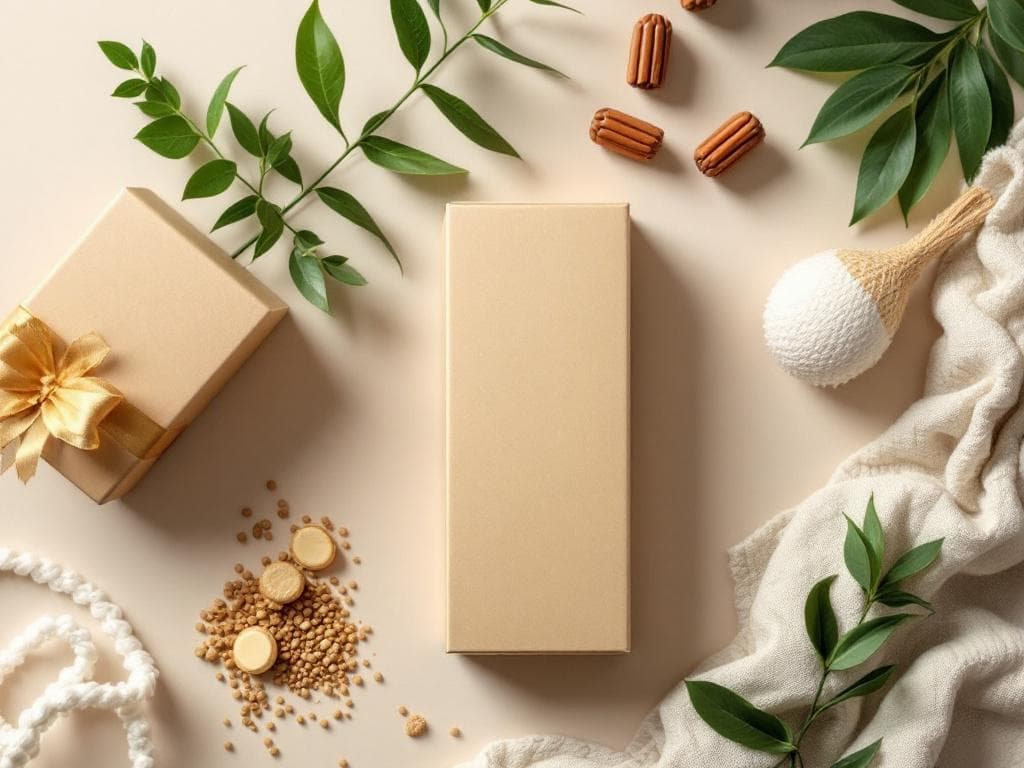
Packaging Design Trends in the Health and Wellness Industry
In a world increasingly focused on health and well-being, health packaging design has emerged as a transformative force in the wellness industry. Health packaging design refers to the strategic creation of containers that not only protect but also promote wellness products like functional beverages, supplements, and personal care items. It plays a critical role in building consumer trust through clarity, transparency, and reassurance. By influencing consumer perceptions of safety and efficacy, innovative health packaging design drives purchasing decisions.
Understanding Health Packaging Design
Health packaging design is the comprehensive development of protective containers that not only ensure product integrity but also adhere to regulatory requirements and communicate brand values. In the wellness industry, packaging has evolved from its original function of basic protection to becoming consumer-centered systems that emphasize natural ingredients, transparency, and alignment with the consumer's lifestyle. This evolution is especially evident in the designs for better-for-you foods and skincare items.
Today’s consumer is highly informed and looks for packaging that signals safety and reliability. Clean visuals and carefully chosen materials foster trust, which is essential for higher product trial rates and consumer loyalty. These elements are instrumental in creating a perception of safety, which encourages consumers not only to try a product but to continue purchasing it. For instance, when shoppers engage with a product, they often look for clear and relevant information before considering the benefits, meaning that a poor visual hierarchy can deter a purchase. The design signals that consumers rely on indicate the product's relevance and clarity—both critical in fostering brand loyalty.
Key Elements of Effective Health Packaging Design
Creating an effective health packaging design requires a keen understanding of several fundamental principles. One such principle is the structuring of a clear hierarchy in the design. This involves prioritizing information so consumers can easily find what they're looking for, contributing to a user-friendly experience. In addition, restraint in visual elements helps provide clarity. By integrating safety cues such as ingredient transparency, packaging establishes credibility.
Visual design elements also play a significant role, such as the use of white space, which enhances consumer confidence in a product. Textures that appeal to consumer appetites, along with consistent branding systems, work together to create a recognizable and engaging experience. Another key consideration is selecting materials based on their durability and functionality, vital for products intended for daily use. Each of these elements improves the user experience by helping consumers quickly understand the product's role and benefits. This, in turn, aids in conveying crucial brand values like authenticity and performance—a strategy well exemplified by brands like Ritual, which utilizes role-defined vitamin packaging to great effect.
The Role of Sustainable Health Packaging
As awareness regarding environmental issues continues to grow, the role of sustainable health packaging has become increasingly significant. There is a burgeoning demand for recyclable, biodegradable materials that decrease environmental impacts. Consumers and providers alike prioritize sustainability not just because it is good for the planet but also because it reflects an eco-conscious mindset that is attractive to many consumers today.
Sustainable materials should be integrated into the design rather than used as gimmicks. Successful strategies often involve minimalistic structures for cartons and bottles, using just enough to convey the product's desired message. The benefits of sustainable packaging are manifold. For brands, sustainable packaging enhances loyalty and differentiation in a crowded market. Consumers, on the other hand, receive reassurance that their purchasing choices align with their self-care values, enhancing adherence and encouraging repeat purchases.
Eco-friendly Wellness Packaging Trends
Today’s packaging trends feature a slew of innovative materials like biodegradable options, prioritizing sustainability. These designs often appeal to inclusivity and self-care, particularly resonating with younger demographics who are increasingly eco-conscious. Leading brands like HUM Nutrition have pioneered this space with color-disciplined systems that effectively separate product roles. Ritual, meanwhile, has found success with clear and restrained packaging, weaving in need states without overwhelming the consumer. The work on products such as Adermicina soap and Weber’s bread leans on natural cues and pharma-inspired clarity to stand out.
Consumers have shown a marked shift toward eco-conscious choices, and packaging influenced by these priorities can drive significant purchase intent gains. Trust signals embedded within sustainable packaging designs encourage consumers’ brand loyalty, further reinforcing their preferences. Packaging's ability to influence decisions with eco-conscious trust signals can lead to up to 67 points of purchase intent gains following redesign.
Challenges and Opportunities in Health Packaging
Despite its importance, the development of health packaging comes with its share of challenges. Issues such as category lookalikes, excessive text diluting design clarity, and brand systems that don't match in expansion scenarios present hurdles for brands looking to differentiate themselves. Balancing aesthetics driven by trends with performance-related aspects is another common challenge.
However, there's significant opportunity within these challenges. Innovations in data-driven packaging systems, restrained use of white space, and sustainable efforts offer a path to differentiation in a cluttered market. This is evidenced by consumer testing that supports the effectiveness of these approaches. Additionally, the future holds promise with advancements in eco-materials, digital integrations, and adaptable designs suitable for both direct-to-consumer and retail scenarios. Each of these avenues offers prospects for fostering strong, loyal relationships through a focus on trust-building packaging rituals.
Innovative health packaging design is defining success in the wellness industry by blending protection, trust signals, and sustainability to influence perceptions and earn customer loyalty. Effective and sustainable packaging approaches are crucial in meeting consumer demands for clarity, safety, and eco-alignment, thereby positioning brands for substantial growth in the marketplace. Readers should consider choosing eco-friendly health packaging as much as possible to support both personal wellness and the well-being of the planet.
Call to Action
We invite you to share your thoughts on innovative health packaging design in the comments. Are there particular trends that catch your eye, or challenges you’ve encountered? Don't forget to follow our blog to stay updated on the latest wellness industry developments.
FAQ
What are the key considerations when designing eco-friendly packaging for wellness products?
When designing eco-friendly packaging for wellness products, it's important to consider sustainability by using recyclable or biodegradable materials. Additionally, ensuring that the packaging aligns with brand values and consumer expectations is crucial. Functional design that incorporates elements like minimalism and transparency can make the product more appealing.
How does packaging influence consumer perception of health products?
Packaging plays a vital role in influencing consumer perception by signaling safety and quality. Clean, clear designs and material choices can create trust, making consumers more likely to try and remain loyal to the product. Key information presented prominently can also help inform consumer decisions effectively.
Why is brand consistency important in health packaging design?
Brand consistency is essential in health packaging design as it helps establish a recognizable and trustworthy brand image. Consistent use of colors, fonts, and visual elements in packaging reinforces brand identity and makes products easily identifiable, enhancing consumer trust and loyalty.
What role does innovation play in the future of health packaging design?
Innovation is crucial for the future of health packaging design as it drives advancements in sustainable materials, digital integration, and adaptive designs. Finding new ways to engage consumers with packaging while addressing environmental concerns can lead to more effective and appealing product presentations.
Can packaging really drive purchasing decisions in the wellness industry?
Absolutely! Packaging greatly influences purchasing decisions by conveying messages of trust, safety, and quality. A well-designed package attracts consumer attention, provides necessary information quickly, and aligns with personal values, all of which can impact a consumer's choice to purchase a particular product.