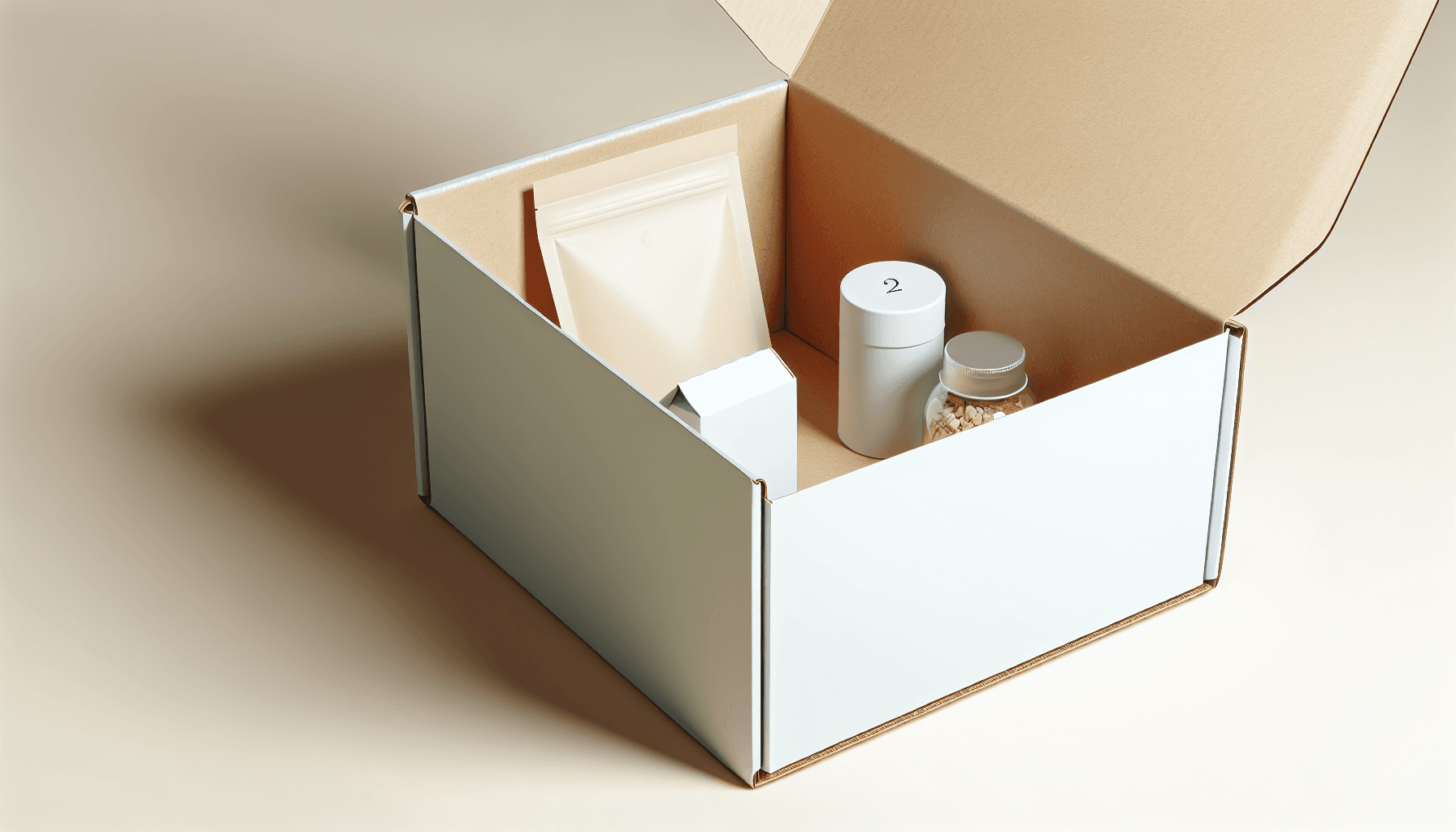
Designing Packaging for the Subscription Box Industry
Subscription boxes have quickly become a popular way for people to receive curated products right to their doorstep. We see their rise across diverse industries such as beauty, food, fashion, wellness, and hobbies. This surge is largely due to the convenience and exciting experiences these boxes offer, all made possible by the growth of e-commerce. At the core of this experience is subscription box packaging. The packaging is more than just a container—it is a brand’s first handshake with its customer, shaping the overall experience and satisfaction. Effective packaging isn’t just about aesthetics; it's about creating a lasting impression. Let’s dive deeper into why subscription box packaging is pivotal and how businesses can use it to their advantage.
Why Subscription Box Packaging Matters
The world of subscription services is crowded, making standing out crucial. This is where subscription box packaging plays a key role. It impacts customer retention and brand perception by conveying the brand’s essence through color, structure, and materials. Each of these elements sends a silent message to the customer about what the brand stands for. Thoughtful packaging can make a box feel premium and share the brand's story, encouraging customers to continue their subscription.
First impressions are everything, especially when it comes to subscription boxes. Often, the packaging is the first physical contact a customer has with the brand. It must protect the contents but also deliver delight. A memorable unboxing experience achieved through elements like weight, texture, sound, and reveal can create an emotional impact. This impact can significantly boost customer satisfaction and loyalty, leading to repeat purchases and sharing of the experience. The shareability factor also ties into social media, where standout packaging can enhance a brand’s professionalism and visibility.
In a competitive market, unique packaging offers a significant edge. Subscription boxes have shifted from being novelties to strategic marketing tools, and investing in high-quality, distinctive packaging is how brands can set themselves apart. Whether it’s through the strategic use of colors, innovative materials, or the structure of the box itself, what stands out gets noticed and talked about more, both online and offline.
Subscription service packaging isn’t just about protection; it's about creating an experience. Brands must consider how their packaging contributes to an experience that melds convenience, aesthetic appeal, and an unmistakable touch of uniqueness.
Overview of Box Packaging Trends
As consumer expectations and technology evolve, so do box packaging trends. A significant trend is the move toward sustainable and eco-friendly packaging solutions. Today’s consumers are more conscious of their environmental impact, expecting brands to reflect this mindfulness in their packaging. The adoption of hyper-sustainable materials, mono-material structures that can be recycled, molded fiber with premium finishes, and visibly recycled papers is becoming mainstream. Such choices not only meet consumer demands but also project a brand’s commitment to sustainability.
In addition to sustainability, there is a growing demand for minimalist and aesthetically pleasing designs. Simplicity in form, color, and typography signals material efficiency and luxury. Minimalism is powerful; it emphasizes strong forms without clutter and often reduces material use, which is both cost-effective and sustainable. Brands that adopt this style can appeal to consumers seeking clean, sophisticated aesthetics without the loudness.
Moreover, brands are now exploring interactive and memorable unboxing experiences. Multi-sensory elements such as magnetic closures, substantial paperboard weight, comforting tissue paper sounds, and even signature scents can elevate customer experience. Technological integrations like QR codes and augmented reality (AR) are becoming popular, providing customers with digital extensions of physical products. These innovations enable brands to tell deeper stories and engage consumers over time, both key components in fostering lasting relationships with customers.
Keeping pace with these trends allows subscription box businesses to remain relevant and in tune with consumer desires. Falling behind could mean losing out to competitors who are more in sync with what customers want.
The Role of Custom Packaging Design
Custom packaging design refers to tailoring a box’s size, structure, graphics, and materials specifically to a brand and product, unlike generic stock boxes. Custom packaging design distinguishes a brand's subscription boxes from the competition. This design directly mirrors a brand's personality, telling its story while setting the product apart in a crowded marketplace.
One of the primary advantages of custom packaging is its impact on brand identity and engagement. The opportunity to use logos, color systems, and specific typography on packaging helps reinforce and communicate the brand message. When these elements come together to create visually compelling packaging, it prompts customers to share their experiences on social media, expanding organic reach.
Notable examples of custom packaging are seen in subscription services that use bold designs or intricate layouts to tell a story. Some brands have even partnered with artists, embracing the "Artist Showcase" trend. This turns the packaging into collectible artwork, deepening customer engagement and adding perceived value to the box. Such creative approaches can transform a simple package into a significant component of consumer experience and storytelling.
In conclusion, custom packaging design is not just an outer layer but an integral marketing tool that speaks directly to customers. Recognizing its potential and weaving it into a brand’s strategy can create a strong, lasting bond between brand and consumer.
Designing Effective Subscription Service Packaging
Designing subscription service packaging involves careful consideration of several factors to ensure it meets both functional and brand-aligned needs. The choice of materials and their durability is crucial. Materials must withstand the rigors of shipping while aligning with brand values centered on sustainability and durability. Popular options include molded fiber, recycled boards, and responsibly sourced substrates. These choices ensure the packaging is not only durable but also eco-friendly.
In terms of brand alignment, packaging should reflect the brand’s visual identity. The colors, typography, and imagery should represent the brand's tone—whether minimalist, youthful, industrial, or heritage-inspired. Every touchpoint should communicate clearly—this is who we are and what we offer.
Functionality is also key. Subscription boxes should be practical, containing features that allow for easy storage, opening, and closing. They need to effectively protect their contents during transit. Incorporating features like grips, portability, and user-friendly formats enhance user satisfaction, making customers more likely to return for more.
Balancing creativity with cost-effectiveness requires prioritizing high-impact elements while keeping material efficient. Strategic investments in elements such as a distinctive silhouette or premium finishes can significantly impact customer perception without ballooning costs.
Effective packaging design is about striking a balance—between being bold and cost-effective, between standing out and staying true to brand values. In doing so, brands increase their chances of capturing and retaining customer loyalty.
Steps to Create Impactful Packaging
Creating effective subscription box packaging starts with understanding the market. Conducting research and gathering customer feedback on preferences is essential. Understanding emerging trends like sustainability and aesthetic expectations can provide valuable direction. Customer feedback on aspects such as ease of opening, eco-friendliness, and even collectability provides insights that can shape the direction of packaging design.
Collaborating with professional packaging designers is another critical step. Designers can translate brand strategy into appealing visuals and structures, ensuring that the brand story is communicated effectively and the packaging differentiates itself both on the shelf and in digital spaces.
Creating prototypes is also vital. Prototypes allow brands to test various elements—such as shipping durability, ease of assembly, and overall unboxing flow—before going into mass production. This step helps refine choice of materials, structural integrity, and sensory impact. Receiving user feedback during this phase can lead to valuable tweaks and optimizations.
Finally, sustainability and efficiency should be key goals throughout the design process. Use of recyclable or mono-material options should be explored while ensuring compatibility with automation and recycling regulations. This not only meets consumer demand for eco-friendly options but also helps manage costs through reduced material use.
By following these steps, businesses can create packaging that not only stands out but also resonates with their customers on a deeper level.
Case Studies and Examples
Looking at examples of successful subscription boxes can provide valuable insights into what works and why. Many standout boxes use bold yet minimal designs, sticking to a limited color palette and clean typography to convey a modern and efficient brand identity. Others might embrace eco-luxury with uncoated, recycled boards, pairing them with refined finishes like embossing or specialized textures that convey both sustainability and premium quality.
Incorporating narrative-driven layouts can transform packaging into something more than just a box. Brands that use the exterior space for storytelling—whether through expressive typography or compelling graphic narratives—capitalize on deeper consumer engagement. These choices reinforce the brand message long before the customer even opens the box.
Industry trends like hyper-sustainability, minimalism, and interactive unboxing are reflected in the most successful packaging strategies, aligning them with broader consumer expectations and experiences.
Understanding these strategies can inform future packaging projects, highlighting what elements to incorporate and how to position a brand’s offering effectively.
Conclusion
Ensuring exceptional subscription box packaging is now more integral than ever for businesses looking to succeed in the subscription economy. It demands keeping up with evolving box packaging trends and investing in custom packaging designs to stand out. Doing so not only differentiates a brand but also resonates with customers on a much more profound level, promoting loyalty and encouraging engagement.
By embracing innovation in packaging design, such as sustainable materials and interactive experiences, brands can ensure they not only meet consumer expectations but exceed them, creating memorable unboxing experiences that drive long-term satisfaction and business success. Investing in high-quality, thoughtful packaging is an investment in the customer relationship itself, nurturing connections that last.
FAQ Section
What are the benefits of using sustainable materials in subscription box packaging?
Sustainable materials in subscription box packaging help reduce environmental impact while meeting consumer expectations for eco-friendly products. They can enhance a brand's image by aligning with values of responsibility and innovation. Additionally, such materials often offer cost efficiencies and help brands stay compliant with evolving recycling regulations.
How can technology enhance the subscription box unboxing experience?
Technology can elevate the unboxing experience by adding interactive elements such as QR codes and augmented reality features. These elements can tell the product's story, offer supplementary content, or create digital engagement opportunities, providing added value and creating memorable experiences.
Why is it important to test packaging prototypes?
Testing packaging prototypes is crucial to evaluate aspects like durability, assembly ease, and sensory appeal. This process helps to identify potential issues and refine the design, ensuring the final packaging meets both functional requirements and customer expectations.
How does packaging contribute to a brand's storytelling?
Packaging serves as the physical embodiment of a brand's narrative, using elements like color, typography, and imagery to communicate its values and identity. By crafting a cohesive, visually compelling package, brands can create a more profound emotional connection with consumers.
Can minimalist packaging still be impactful and memorable?
Yes, minimalist packaging can be highly impactful by focusing on strong visual and structural elements without clutter. It highlights the quality of the product and brand sophistication, offering a clean aesthetic that is likely to appeal to contemporary consumers seeking luxury and simplicity together.