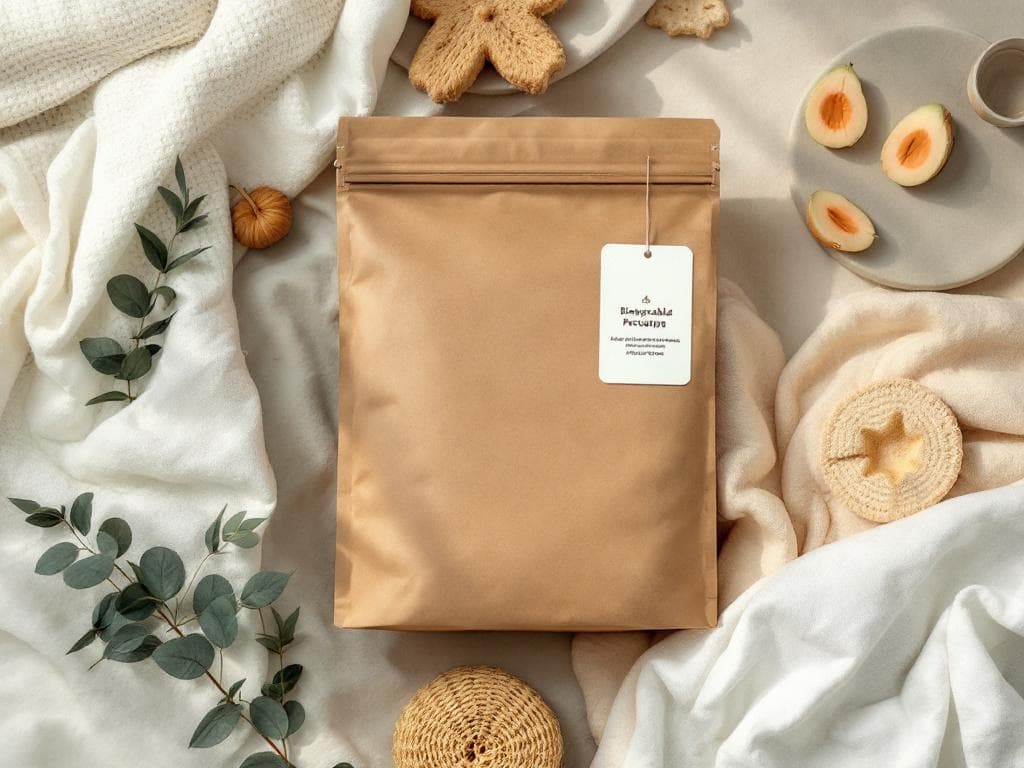
Innovative Biodegradable Packaging Techniques in the Fashion Industry
As of 2026, the fashion industry is navigating a significant paradigm shift towards sustainability, with a keen focus on biodegradable packaging fashion. In a world where eco-friendliness is no longer just a trend but a necessity, packaging plays a critical role in fashion's environmental footprint. Historically reliant on single-use materials, the industry now faces intense scrutiny over its ecological impact. This scrutiny and the subsequent transition to eco-conscious alternatives are driven by consumer demands, regulatory pressures, and brands’ increasing commitment to sustainable practices.
The movement towards biodegradable packaging in fashion marks a vital convergence of these forces. Traditional materials like plastics that took centuries to decompose are being replaced with innovative solutions that align with circular economy principles. Biodegradable packaging fashion is fast becoming a central theme as brands recognize the urgent need to reduce waste and embrace greener practices. This shift not only satisfies regulatory requirements but also resonates deeply with eco-conscious consumers who demand transparency and responsibility from their favorite brands. As more companies invest in eco-friendly fashion packaging, they mark a decisive turn towards a more sustainable future in the fashion industry.
Understanding Biodegradable Packaging in Fashion
Understanding biodegradable packaging in fashion is key to appreciating the depth of this revolution. At its core, biodegradable packaging comprises materials engineered to break down naturally in environments like composting sites or marine settings within a relatively short time span, without leaving harmful residues.
Conventional plastics, often used in fashion packaging, are notorious for their longevity in ecosystems, taking centuries to fully degrade. Biodegradable packaging, on the other hand, offers a transformative alternative by integrating materials such as plant-based plastics, compostable films, and mushroom-based foams. These options provide similar protective benefits for fashion items while ensuring a reduced environmental impact.
- Plant-based plastics: These materials decompose much quicker than their traditional counterparts, offering a renewable resource that's less taxing on the environment. They serve as an excellent fit for brands looking to maintain durability while ensuring ease of biodegradability.
- Mushroom-based foams and mycelium materials: These materials offer natural decomposition capabilities without microplastic pollution. Using the root structure of fungi, these foams are sustainable, effective, and break down seamlessly into natural environments.
- Seaweed wraps and marine-derived materials: These are emerging as promising alternatives, especially for packaging. They decompose quickly and are derived from abundant renewable resources, minimizing ecological footprints.
- Recycled cardboard and paper-based alternatives: These have long complemented other biodegradable options, providing structural integrity while being easily recyclable or compostable.
An innovative example within this space is Vivomer, a natural polymer designed for full biodegradability within home composting or marine environments. Used notably for innovative packaging solutions like in personal care, Vivomer stands out as a material that biodegrades faster than a banana peel without compromising durability during use.
The move towards biodegradable packaging fashion represents more than just an environmental trend. It reflects a broader commitment to sustainability in apparel, ensuring that every aspect of a product’s lifecycle, from manufacturing to disposal, supports ecological well-being. As fashion brands lead this charge, they sow seeds for a more sustainable sector that not only embraces innovation but also champions environmental responsibility.
The Rise of Eco-Friendly Fashion Packaging
The rise of eco-friendly fashion packaging is as much about innovation as it is a necessity in today’s climate-conscious world. The fashion industry, historically reliant on non-biodegradable materials for packaging, is witnessing a transformative shift driven by both regulatory frameworks and consumer expectations.
Leading brands like Rihanna's Fenty Skin demonstrate this shift by incorporating refillable containers and biodegradable wrapping into their product offerings. Such initiatives highlight that sustainability and functionality can coexist without compromising style or convenience. This adoption of eco-friendly solutions is not merely reactive to regulatory trends but is also a proactive response to the changing mindset of consumers.
Today's consumers, particularly younger age groups, prioritize eco-conscious purchasing. This demographic is highly tuned into the environmental impact of their buying choices and demands transparency from brands. This change in consumer behavior compels retailers to rethink packaging strategies. In response, there's a growing trend towards carbon labeling on packaging, allowing consumers to understand the carbon footprint associated with a product's lifecycle. Such transparency not only meets consumer demands but also holds brands accountable, showcasing their commitment to genuine sustainability rather than surface-level 'greenwashing.'
Moreover, innovation in packaging extends beyond materials to how systems are designed. Some fashion brands encourage the return of products in the same packaging, effectively reducing waste. Footwear brands, for example, have begun using primary product boxes as shipping vessels, thereby cutting back on unnecessary packaging while simultaneously lowering production costs. These system-driven innovations reinforce the effectiveness and necessity of sustainable practices in the fashion industry.
The trajectory of eco-friendly fashion packaging points towards an inevitable market transformation. By adopting biodegradable and sustainable packaging solutions, brands not only align themselves with environmental goals but also establish a strong rapport with a highly selective customer base. This strategic shift is not just environmentally prudent but also a savvy market move that underpins brand reputation and fosters consumer loyalty in an era where environmental stewardship is paramount.
Sustainability and the Fashion Industry
The broader sustainability narrative in fashion goes beyond packaging, weaving itself into the very fabric of the industry's values and operations. As consumers grow increasingly aware and concerned about environmental issues, sustainable practices have become a cornerstone in reshaping how fashion brands operate.
The sustained growth of the eco-friendly clothing segment is a testament to this shift. With the market set to expand by over a billion dollars annually, the emphasis on sustainable materials is more pronounced than ever. Organic fabrics, lab-grown textiles, and bio-engineered materials are no longer the exception—they are fast becoming the norm. Materials derived from mushrooms, algae, and even fruit waste are being integrated into mainstream fashion lines, reflecting a desire to bring closed-loop systems to the core of textile manufacturing.
The industry is also seeing a rise in circular design practices. These practices include rental, upcycling, and fiber-to-fiber recycling technologies, each playing a significant role in reducing waste and promoting a circular economy. Brands are designing products with end-of-life scenarios in mind, facilitating easier recycling or repurposing and thereby extending the lifecycle of fashion items.
Packaging acts as a critical touchpoint for sustainability. It is often the first physical interaction consumers have with a brand’s product, and when aligned with sustainable values, it speaks volumes. A commitment to eco-friendly packaging reinforces a brand's authenticity and dedication to environmental stewardship, building trust with consumers who value these practices.
Moreover, as the sustainable fashion industry grows, it becomes increasingly integrated with packaging strategies. Brands are leveraging these strategies to not only reduce their environmental impact but also to educate and engage their audience for a more collective approach towards sustainability. Packaging choices are therefore a reflection of a brand's ethos, serving as a bridge between sustainable practices and consumer expectations.
By embedding sustainability at every level—from material sourcing to packaging—fashion brands are not just responding to consumer and regulatory demands. They are proactively contributing to a more sustainable industry, positioning themselves as leaders in the evolving landscape of eco-conscious fashion. As this trend continues, it is poised to redefine fashion's impact, ensuring that the industry's growth aligns with the planet's ecological well-being.
Benefits of Biodegradable Packaging for Fashion Brands
Biodegradable packaging offers a wealth of benefits for fashion brands, extending well beyond the obvious environmental advantages. As the fashion industry navigates towards sustainability, brands employing biodegradable packaging stand to gain both economically and reputationally.
Cost-effectiveness and long-term savings emerge as notable benefits. Reusable and biodegradable packaging systems are not only environmentally friendly but can also result in significant cost savings over time. Conventional packaging often requires regular production and procurement, leading to continuous expenses. In contrast, investing in durable packaging systems means that items can be reused, reducing the frequency and cost of manufacturing new packaging. This model shifts the economic focus from disposability to durability, making sustainable practices financially viable in the long term.
From a marketing and engagement perspective, adopting biodegradable packaging enhances a brand’s appeal. It provides a transparent and tangible demonstration of sustainability efforts, appealing to the growing segment of environmentally conscious consumers. These practices set brands apart in a competitive market, where eco-friendliness is increasingly seen as a mark of quality and ethicality. Implementing clear sustainability practices, such as carbon labeling, empowers consumers to make informed decisions, strengthening their trust and loyalty toward brands.
Additionally, brands that align their packaging strategies with sustainability gain regulatory advantages. As environmental laws evolve, adopting biodegradable and eco-friendly packaging helps mitigate compliance challenges and shields brands from potential fines. Proactively embracing these practices places companies ahead of the curve, positioning them as leaders in sustainability and allowing them to adapt more easily to future regulations.
Overall, the commitment to biodegradable packaging transcends mere environmental responsibility. It fosters a brand identity rooted in social responsibility and innovation, setting a benchmark for industry peers. As consumer expectations continue to evolve, brands that integrate sustainability into their core operations, including packaging, will not only reduce their environmental footprint but also establish enduring connections with their audience, driving future growth and resilience.
Challenges and Considerations
Despite the promising horizon, the adoption of biodegradable packaging in fashion is not without its challenges. These hurdles, while significant, present opportunities for growth and innovation as the industry continues its transition towards sustainable practices.
One of the most critical challenges is the existing infrastructure for composting and recycling. Across various markets, this infrastructure is often inconsistent or underdeveloped, limiting the effectiveness of biodegradable packaging. Without adequate facilities, materials intended for composting or recycling may end up in conventional waste streams, diluting their environmental benefits. Addressing this gap is crucial for the successful implementation of biodegradable solutions.
Cost sensitivity remains another formidable barrier, particularly in price-conscious regions. While biodegradable materials offer long-term savings and environmental benefits, their initial cost is frequently higher than that of conventional plastics. Brands must therefore balance their commitment to sustainability with economic considerations, ensuring that eco-friendly choices remain accessible and do not alienate cost-sensitive consumers.
The necessity for consumer education cannot be overstated. For biodegradable packaging to realize its full potential, consumers must understand proper disposal methods. Misunderstanding over whether materials are suitable for home composting, industrial composting, or marine environments can undermine environmental benefits. Effective education initiatives are needed to inform consumers and guide them towards practices that maximize the ecological advantages of biodegradable packaging.
Further complicating adoption is the complexity of lifecycle analyses. Each biodegradable material has a distinct decomposition process that may require specific environmental conditions, such as temperature and humidity, to break down efficiently. Additionally, these analyses must consider the carbon footprint of production processes, ensuring that resources used do not counteract the material's biodegradability benefits.
Tackling these barriers requires a coordinated approach between regulators, brands, and consumers. Brands must advocate for improved composting and recycling infrastructure, while also investing in consumer education. Only through collaborative effort can the industry overcome these hurdles and fully embrace biodegradable packaging solutions that align with environmental goals.
Future Trends and Innovations
The landscape of biodegradable packaging in fashion is ripe for innovation, promising exciting possibilities for the future as the industry continues to evolve and adapt.
One major future trend is the incorporation of smart technology within packaging. By embedding smart codes or QR codes on packaging, consumers can access detailed information about a product’s sustainability and disposal instructions directly through their smartphones. This integration not only educates consumers but also enhances brand transparency and accountability, a growing expectation among eco-conscious consumers.
Another innovation gaining traction is mono-material packaging designs. These designs simplify the recycling process by using uniform materials, eliminating the complexities associated with separating multiple components. By streamlining materials to single substrates, these designs make waste processing more efficient and less resource-intensive, further underscoring the move towards a circular economy.
The expansion of bio-engineered materials promises to extend the reach of biodegradable packaging beyond the current material limits. As research progresses, alternatives that compete with traditional plastics in performance, but significantly outpace them in ecological benefits, are emerging. AI-driven optimization further enhances this field, balancing cost, performance, and sustainability to create materials that support industrial-scale adoption without compromising on quality or function.
Moreover, refillable systems are transitioning from niche applications to mainstream solutions. As brands refine logistic capabilities and consumer convenience, subscription-based models for reusable packaging are increasingly attractive. These systems offer economic and ecological advantages, presenting a scalable path towards sustainability.
As these future trends gain momentum, the fashion industry is poised to redefine its relationship with production, packaging, and waste. Embracing these innovations promises not only cost savings and environmental benefits but also offers an opportunity for brands to lead in an area critical to the future of sustainable fashion. By staying ahead of these trends, fashion brands can position themselves at the forefront of an environmentally conscious market, driving change that aligns closely with consumer values and industry evolution.
Conclusion
Biodegradable packaging stands as a cornerstone of innovation and responsibility in the fashion industry’s ongoing sustainability journey. Addressing the ecological consequences of traditional packaging, brands are gradually redefining their relationship with consumption and waste. This shift transcends environmental optimism—it is a critical strategy aligned with market realities and consumer expectations.
The projected growth of the sustainable packaging market to a staggering $737 billion by 2030 underscores its strategic necessity rather than an optional pursuit. As brands embrace biodegradable solutions, they not only alleviate their environmental impact but also reinforce circular economy strategies, crucial for long-term sustainability. This market transformation, driven by transparent practices and consumer engagement, appears inevitable and essential for future success.
The fashion industry’s evolution reflects a broader movement where consumer behavior fuels both innovation and accessibility. As sustainable choices become increasingly mainstream, they support a feedback loop—where conscious consumerism accelerates ecological innovation, making sustainable practices the norm.
Call to Action
We invite you to join us in this ongoing conversation about the future of sustainable fashion. What are your thoughts on the impact of biodegradable fashion packaging? Support brands committed to sustainable packaging solutions and become an advocate for the sustainable fashion industry—because every choice contributes to a more sustainable future.