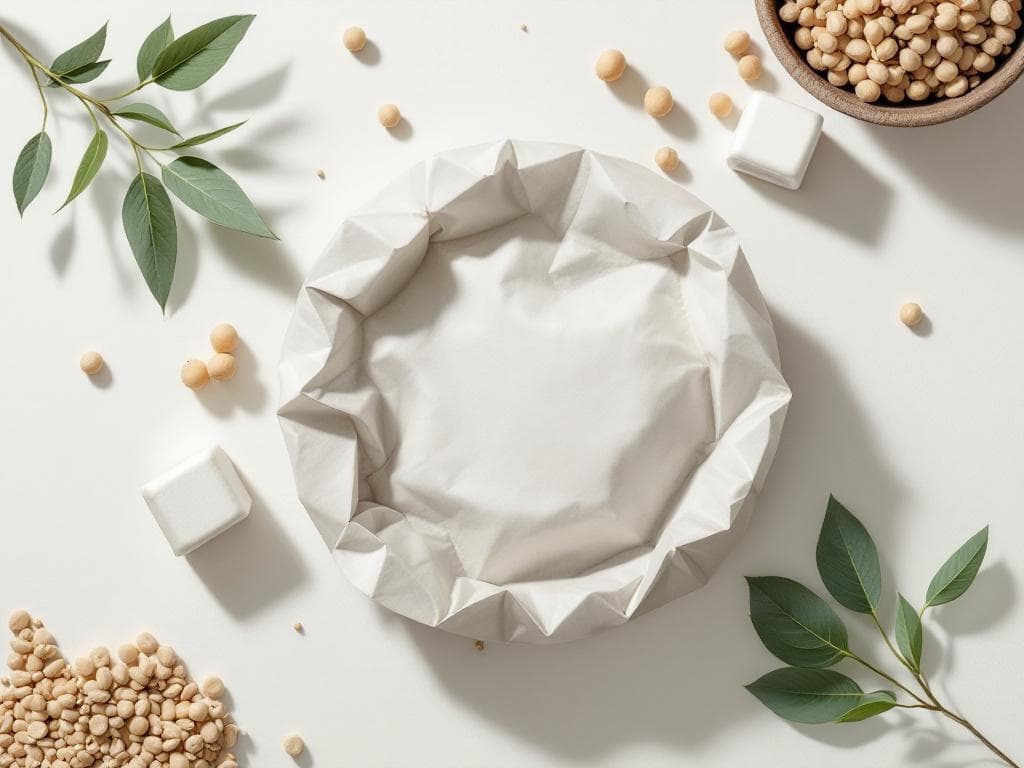
Exploring the Benefits of Edible Packaging: A Sustainable Alternative
In recent years, the concept of edible packaging has emerged as a beacon of hope amidst growing environmental concerns. These innovative materials, derived from natural, plant-based, or protein sources such as seaweed, starch, and casein, are reshaping how we view packaging and waste. With over 30% of solid waste attributed to plastic, the introduction of edible packaging presents a significant opportunity to reduce reliance on traditional, non-biodegradable materials. Not only does it serve as a sustainable alternative, but it also minimizes the need for recycling and contributes less to landfills, making it a truly eco-friendly option.
What is Edible Packaging?
At its core, edible packaging consists of materials designed to be consumed alongside the product or biodegrade efficiently after use. This innovative packaging is typically made from natural materials like seaweed, casein, starch, or plant fibers. Such materials are transformed into films, coatings, wrappers, cups, or capsules that either protect the product or enhance its usability.
The development of edible packaging can be traced back to initial endeavors by organizations such as the U.S. Department of Agriculture, evolving from simple starch-based items to advanced films that offer protection from oxygen, moisture, and microbial threats. Pioneering inventions like the potato cup, which extended to hot-liquid containers, marked the early milestone of this journey. Today, edible packaging aligns seamlessly with consumer demands for eco-friendly options, seeing widespread adoption in food manufacturing, restaurants, and events to cut down on plastic usage.
The Benefits of Edible Packaging: A Deeper Look
Edible packaging offers a multitude of benefits, solidifying its status as a truly sustainable packaging alternative. By significantly reducing plastic waste, bypassing the recycling process, and biodegrading without leaving microplastics or contributing to landfill buildup, it minimizes carbon footprints by relying on renewable materials.
From an environmental perspective, edible packaging plays a crucial role in reducing food spoilage. For instance, casein films are known to be 500 times more effective against oxygen than plastic, effectively preventing microbial growth or moisture loss and thus extending the shelf life of food products. Economically, edible packaging meets consumer expectations for sustainability, fosters brand loyalty, lowers waste management costs, and allows for customization in branding. Such versatility opens up a wide range of possibilities for businesses to innovate and captivate their audience with vitamin-enriched coffee packets and more.
Innovative Materials in the Edible Packaging Realm
A cornerstone of the progress in edible packaging is the exploration of innovative materials. These developments include:
- Casein (milk protein): Known for forming films that act as strong barriers to oxygen, casein extends the shelf life of food and is perfectly safe for food contact. It’s customizable and completely biodegradable.
- Seaweed or agar gels: Widely used for dissolvable pods, packets, or wrappers that replace traditional bottles and condiment containers, these materials are flavorless and dissolve when heated, creating a zero-waste experience.
- Starch-based or rice-like films: Serving as biodegradable wrappers or cups, they ensure that items remain fresh while preventing oxidation. These materials often come fortified with added nutrients for health benefits.
- Fruit-based wraps: Utilizing banana leaves, corn husks, or fruit extracts, these natural wraps protect against moisture and oxygen, enhancing food appearance and functionality.
These materials are noted not only for their functionality but also for their nutritional value, often being fortified with vitamins or probiotics. Many have passed market testing, and are currently being explored by food and beverage companies for their snacks, beverages, and events.
Navigating the Challenges and Considerations
Despite its promising role, edible packaging faces several challenges that need to be addressed. High production costs are one of the most significant barriers due to the complexities involved in processing natural materials and creating multi-component blends that address existing weaknesses.
Consumer perception poses another hurdle, where potential taste interference or general unfamiliarity may impact purchase decisions, even though most edible packaging is designed to be flavorless. Regulatory concerns also need careful consideration, ensuring compliance with GRAS (Generally Recognized as Safe) standards, and maintaining safety throughout the production process. Furthermore, although some films like casein effectively address durability issues, others still struggle with shelf-life limitations when compared to traditional packaging.
Future Perspectives: The Evolution of Sustainable Packaging Alternatives
The future of sustainable packaging alternatives is bright, with continuous advancements primarily focused on enhancing scalability. Research into casein, seaweed, and starch films shows significant promise for their use beyond just food applications. As global anti-plastic policies gain traction, along with increased investments in biodegradable technologies, edible packaging is on track to significantly disrupt traditional packaging industries.
Such shifts predict a standardization of zero-waste norms, potentially even expanding to hot liquids and preservation tasks while supporting broader global efforts to reduce reliance on plastics. With its potential impact on cutting landfill waste and avoiding fossil fuel dependency, edible packaging is poised for widespread adoption, projecting a hopeful future for sustainable packaging as the technology matures.
Emphasizing the Importance of Edible Packaging in Sustainable Practices
In summary, edible packaging redefines sustainability by transforming waste into consumable or compostable resources. Through the innovative use of materials like casein and seaweed, it offers a solution to waste reduction, shelf-life extension, and enhanced environmental benefits amidst an ongoing plastic crisis. Companies that embrace these solutions are positioning themselves at the forefront of eco-conscious consumer markets, demonstrating leadership in global sustainability efforts.
Taking Action: Encouraging Edible Packaging Adoption
We invite readers to consider supporting or adopting edible packaging and other environmentally friendly alternatives in their buying decisions. Your participation will not only contribute to individual sustainability goals but also support broader environmental change. Let us know your experiences and thoughts on edible packaging and its potential in the comments below.
By exploring these avenues, together we can advance the movement towards a more sustainable future.