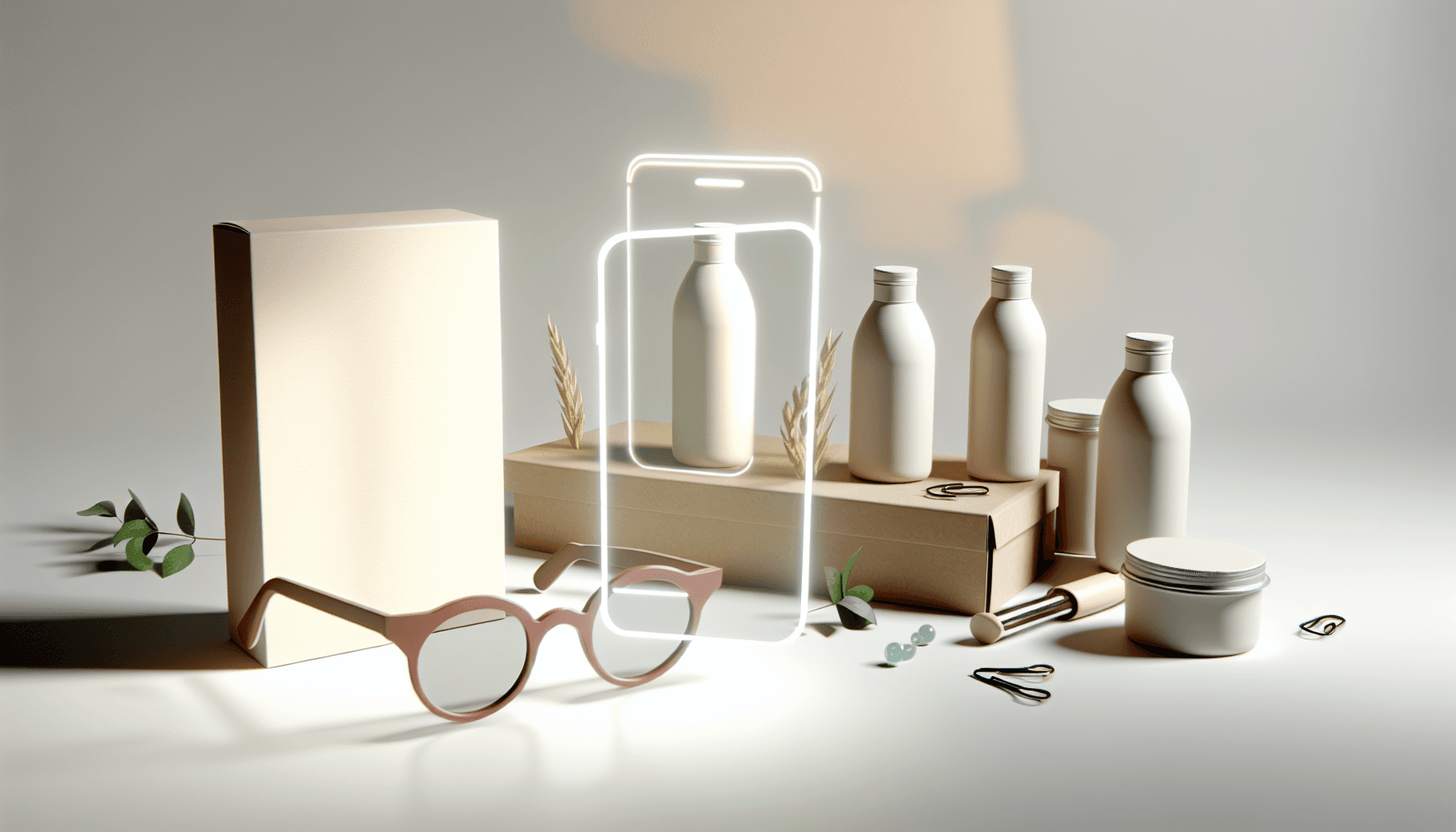
The Impact of Augmented Reality on Packaging Design
Augmented reality packaging is a fascinating field that's gaining more attention these days. But what is augmented reality exactly? It’s a technology that overlays digital content onto the real world, creating experiences that feel almost magical. Imagine pointing your smartphone at a cereal box and seeing a cartoon character jump to life, telling you about the cereal in the most fun way possible. This blend of real and digital worlds is not only cool but also very useful, especially in the packaging industry. Augmented reality in packaging is reshaping how products and brands connect with consumers. In this blog, we will dive deep into what augmented reality packaging is all about, how it works, and its future potential.
1. Understanding Augmented Reality (AR) and Its Uses
Augmented reality, or AR for short, is a smart technology that works by adding digital content to the real world. Imagine your world is a canvas, and augmented reality is the brush painting new digital images onto it. This technology comes alive through devices like smartphones and AR-enabled gadgets, making things you see in movies seem real.
The magic of AR lies in how it combines what is real with what is digital. It overlays images, sounds, animations, or even 3D objects onto our real world. For instance, you might use your phone camera to see a virtual pet running around your bedroom. In real-time, this means as you move, the digital content moves too. This makes augmented reality very different from virtual reality. Virtual reality creates a whole new digital world to explore, while augmented reality simply adds to our existing world.
Many industries already use AR in clever ways. Imagine walking down a store aisle and pointing your phone at a product—instantly, you might see detailed info about it. In education, students can point their tablets at history books to make ancient buildings rise from the pages. Doctors use AR to visualize operations before actually performing them, as it provides a rehearsal in the real-world setting. For tech lovers, these applications make everyday tasks more interactive and informative.
In packaging, the future is undeniably exciting. AR in packaging goes beyond just making a product look cooler; it gives consumers a richer, deeper understanding of what they are buying. It breaks the limits of paper by explaining product details through videos or animations you can see through your phone. Imagine buying a toy and using AR to see different ways to play with it, or buying a food item and seeing recipes pop up instantly. Welcome to the The Role of Technology in Creating Innovative Packaging Solutions. With technology becoming more widespread, soon, interacting with our products this way might be as common as opening the package itself.
2. The Evolution of Packaging Design
Packaging design has traveled a long way from its roots. Traditionally, packaging images and text were flat, static, and limited. They had one mission: tell the consumer what’s inside the package. But there’s more to consider. Imagine only being able to judge a book by its cover, with no chance to peek inside. That is what traditional packaging felt like—very limiting for both brands and consumers.
At first glance, old-style packaging was quite basic. It usually contained just essential details. This might include the product name, some instructions, and maybe a small image of the product. It's much like the cover of a book without any summaries or reviews. As a consumer, you had to rely heavily on watchful eyes and trust to choose the right product. If you wanted to know how to use a product, you either guessed or hoped the seller explained it to you. This was all because packaging had very little space to tell all stories.
The power of the visual appeal of packaging cannot be overstated. So far, brands have struggled with space limitations on packaging to convey detailed information. Now, a new opportunity has emerged with interactive packaging design. This design approach doesn't just present a product—it engages with it. Augmented reality in packaging changes our static packages into live storytellers. You don't just see the product name; you see it explained right in front of your eyes.
With AR, brands can create interactive packaging design, transforming a once passive container into an active conversation starter. So, if someone is deciding between two detergents, they can scan one and see a video showing it at work—trustworthy, right? This transformation grants consumers a more intimate understanding of a product, without overcrowding the package itself. Once glittering only with labels and claims, packages now flash with digital interactivity. AR in packaging makes products as interesting outside as inside, inviting consumers into this new journey of discovery. Brands have a unique opportunity to leave an impact and let consumers experience their product well before buying.
The direction of the design is evolving, giving lights to a future where packaging reacts to our curiosities and guides us through products. Start thinking of packaging not as something tossed aside, but as a gateway to exciting explorations.
3. What is Augmented Reality Packaging?
So, what exactly is augmented reality packaging? At its simplest, it’s when augmented reality meets product packaging to create an interactive experience. Imagine looking at your favorite cereal box, and it suddenly comes to life, showing cartoon characters explaining their adventures. It’s an exciting way for brands to show the world what their product is all about.
Let’s uncover how this magic works. Brands bring digital content to the package by placing QR codes or AR markers on it. These codes on the packaging may seem like ordinary designs, but they hold exciting digital content waiting to be unlocked. These symbols act as keys to a treasure chest of cool features. All it takes is a smartphone camera to open these treasures. When your phone scans the marker, a whole new world springs up right where the package is.
This content ranges from immersive 3D graphics and animated featurettes to how-to videos and interactive games. You see, AR enhances the real-world view while making your experience fresher and exciting. Even cooler, some brands are starting to use what's called WebAR. This means that you don’t even need an app; the AR magic pops up right through your web browser, making it incredibly easy for people to engage. Goodbye to the hassle of installing apps, and hello to direct access.
The foundation of AR packaging lies in technologies such as QR codes and AR markers, which serve as access points. Smartphone apps or even web platforms deliver that punch of AR experience. Exciting elements like 3D software help create those lifelike animations you interact with. There are also connected packaging technologies like NFC or RFID to help bring all these amazing features together. These advanced technologies allow monitoring of products from creation to consumption, ensuring every item arrives in perfect condition.
In this glowing realm of augmented reality packaging, the blend of physical and digital elements transforms how we perceive simple objects like a box or bottle. Physical packaging now signifies the beginning of a digital interaction that separates the mundane from the magical. The magic lies in bridging traditional packaging with innovative technology, ultimately crafting a digital experience that leaves consumers enchanted. For more on this, delve into The Science of Packaging Design: How Psychology Influences Consumer Behavior.